

Safety barriers are a fundamental part of how modern societies protect people from harm. Whether installed along a busy dual carriageway, around a construction site, or within an industrial facility, these structures serve as a first line of defence against accidents and injuries. Understanding their importance helps both businesses and communities appreciate just how much thought goes into keeping people safe.
What to know
- Safety barriers serve as a primary defense against accidents, with research indicating they can reduce workplace injury rates by up to 29%.
- Selecting the appropriate barrier type, ranging from robust steel structures for heavy impacts to flexible polymers for temporary needs, is essential for effective risk management.
- Physical barriers are considered more reliable than non-physical measures like signage because they provide protection regardless of human behavior or attention.
- Beyond preventing physical harm, the installation of safety barriers fulfills ethical and legal obligations while reducing long-term medical and compensation costs for businesses.
- Roadside barriers are critical for protecting pedestrians and cyclists from vehicles, especially in high-traffic or hazardous terrain areas.
- Modern advancements, including sensor-equipped smart barriers and sustainable materials, are evolving safety infrastructure into more dynamic and resilient systems.
How safety barriers protect people in public spaces
Across the United Kingdom and beyond, safety barriers are deployed in an enormous variety of settings, each with its own unique hazards. Evidence from industry research suggests that implementing workplace safety barriers can reduce injury rates by as much as 29%, a figure that underscores just how meaningful a well-placed physical barrier can be. From the moment someone steps onto a construction site or walks along a busy pavement, these structures are quietly working to keep danger at bay.

The types of safety barriers used across different environments
Not all barriers are the same, and choosing the right type for a given environment is a crucial part of effective risk management. Physical barriers such as guardrails, protective fencing, and steel or concrete structures are typically used in the most demanding situations, where the forces involved — such as impacts from heavy vehicles — demand robust, durable solutions. In less severe environments, portable barriers made from polymers or plastic offer a practical and flexible alternative, easy to install and reposition as needs change.
Beyond physical structures, non-physical measures also play an important role. Safety signage, floor markings, and warning systems help direct both workers and members of the public away from hazardous areas. In some settings, natural barriers such as landscaping or terrain changes provide an additional layer of protection. The key is that effective barriers must be visible, durable, strong, and adaptable to the environments in which they are used.
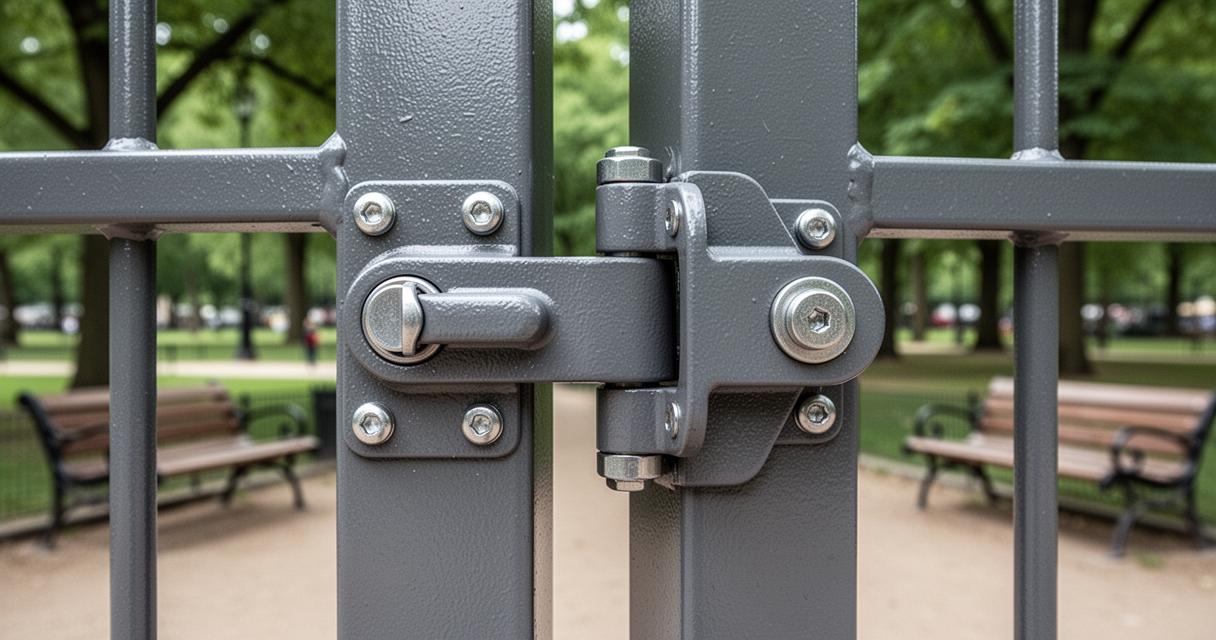
Why Physical Barriers Remain a Cornerstone of Public Safety Planning
Physical barriers remain indispensable because they act regardless of human behaviour. Unlike signage, which relies on people reading and heeding warnings, a sturdy guardrail or roadside safety barrier performs its function whether or not anyone is paying attention. This reliability is particularly important in high-pressure environments such as construction sites, where hazardous machinery protection and the demarcation of danger areas can mean the difference between a safe shift and a serious incident. Adhering to health and safety regulations is not merely a legal obligation for business owners — it is an ethical duty that carries tangible benefits, including the reduction of medical expenses and compensation costs arising from workplace accidents.
The Broader Impact of Safety Barriers on Community Wellbeing
The benefits of safety infrastructure extend well beyond the immediate prevention of injury. When communities invest in thoughtful barrier systems, they create environments where people feel confident moving about freely, whether on foot, by bicycle, or in a vehicle.

Reducing Risk and Preventing Accidents in High-Traffic Areas
Road safety barriers are essential for safe transport, particularly in locations where the consequences of an accident could be severe. Fixed barriers in pedestrian-heavy areas help protect walkers and cyclists from errant vehicles, whilst barriers along steep or winding roads prevent vehicles from leaving the carriageway in adverse weather conditions. The ability of these structures to withstand significant impacts whilst improving traffic flow management makes them a vital component of any comprehensive road safety strategy. Regular barrier maintenance and inspection are equally important, as wear and tear can compromise effectiveness over time.
The Role of Safety Barriers in Shaping Safer Urban Infrastructure
As towns and cities continue to evolve, so too does the thinking around accident prevention and site security measures. Emerging smart barrier systems now incorporate sensors for real-time hazard detection, offering a more dynamic response to changing conditions on site or on the road. There is also a growing interest in environmentally friendly materials, reflecting a broader awareness of sustainability within industrial safety standards. Taken together, these developments point towards a future in which safety barriers are not merely reactive tools, but active contributors to smarter, healthier, and more resilient communities.